The EV chargers changing the renewable industry dynamics
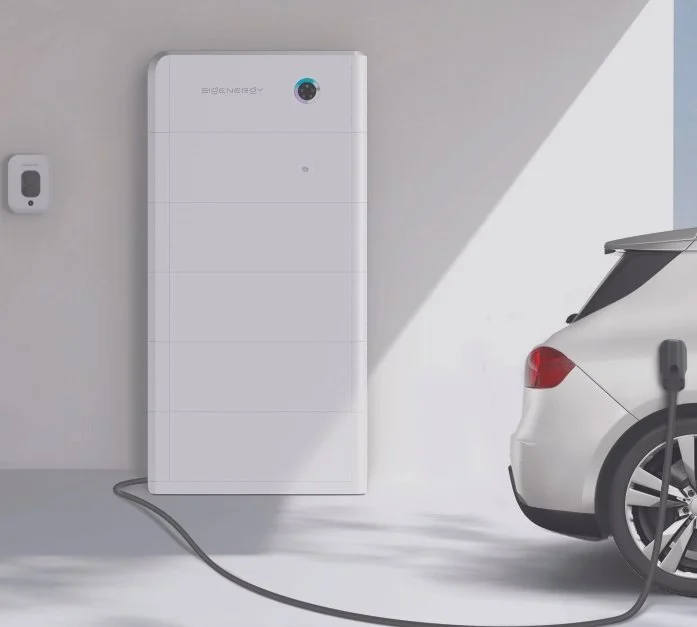
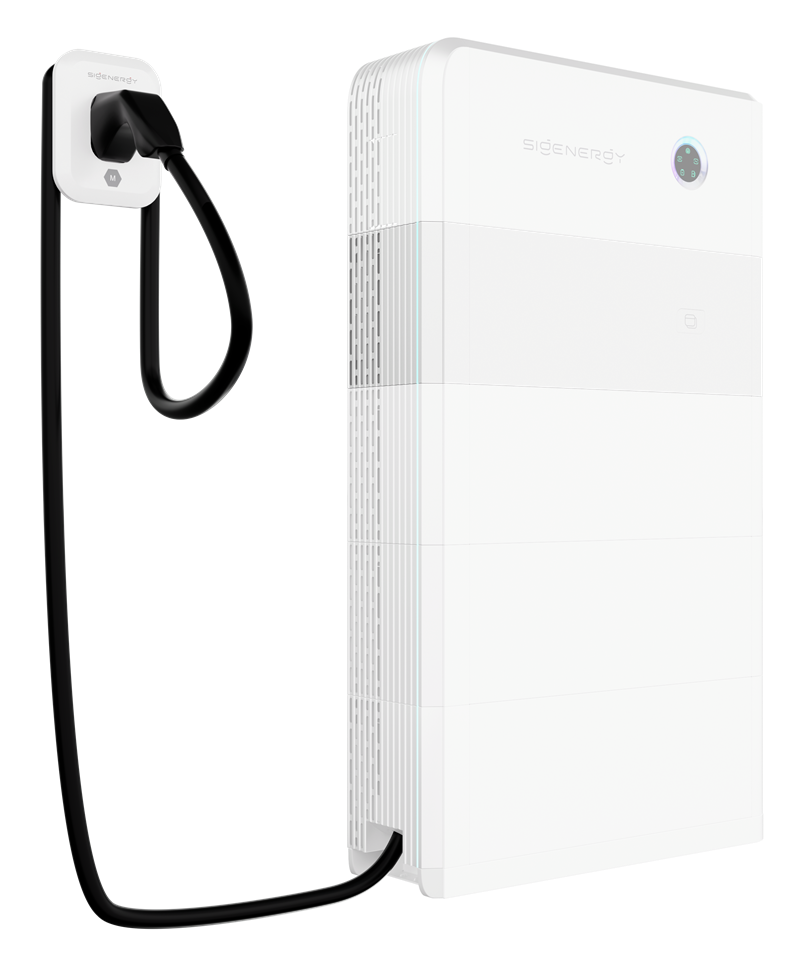
A Sigenstor battery/inverter stack with the DC EV charger installed
In 2026 we believe that bi-directional DC EV chargers (V2X), like those currently on the market from Sigenergy, will redefine the dynamics of the solar industry.
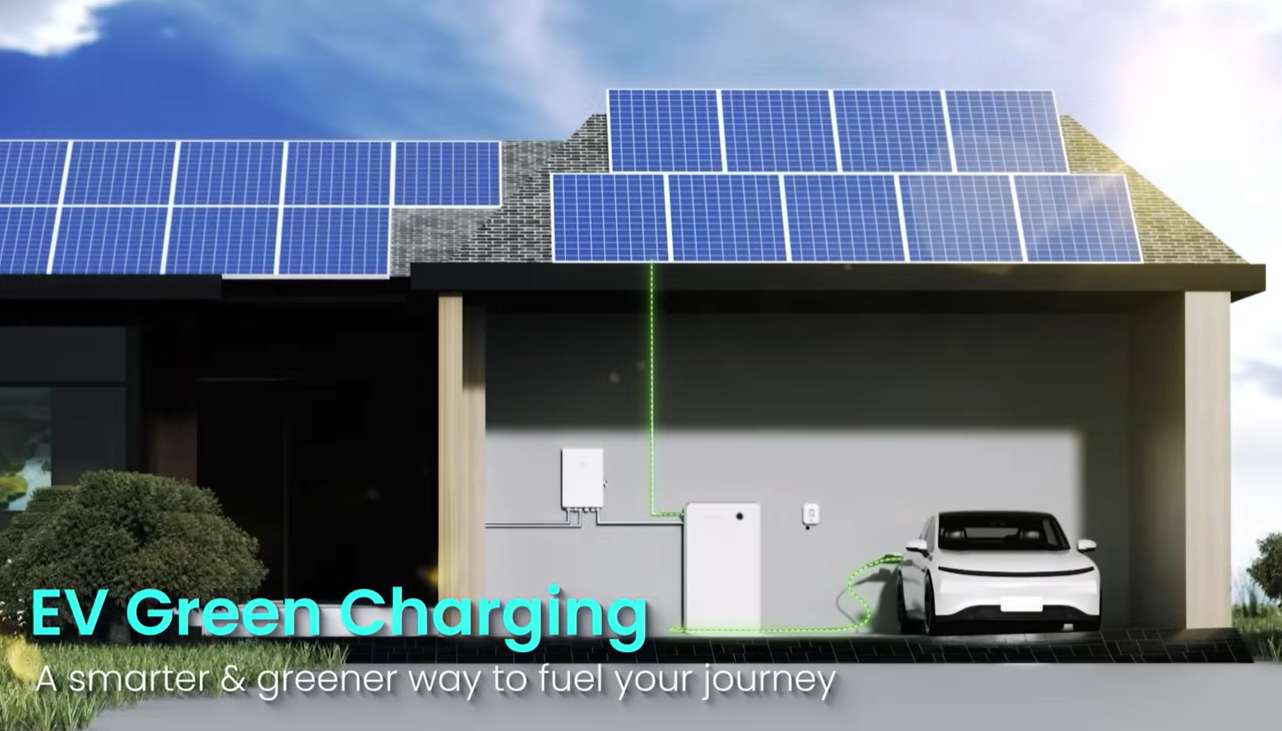
Faster Charging
The Sigenergy DC chargers come as standard in 12kW and 25kW. Unlike AC chargers, these DC charges can supply DC direct to the battery, bypassing the limitation of the 11kW EV inverter in most EVs. They can pull from solar, battery and inverter/grid simultaneously providing up to 150km of driving range in just one hour.
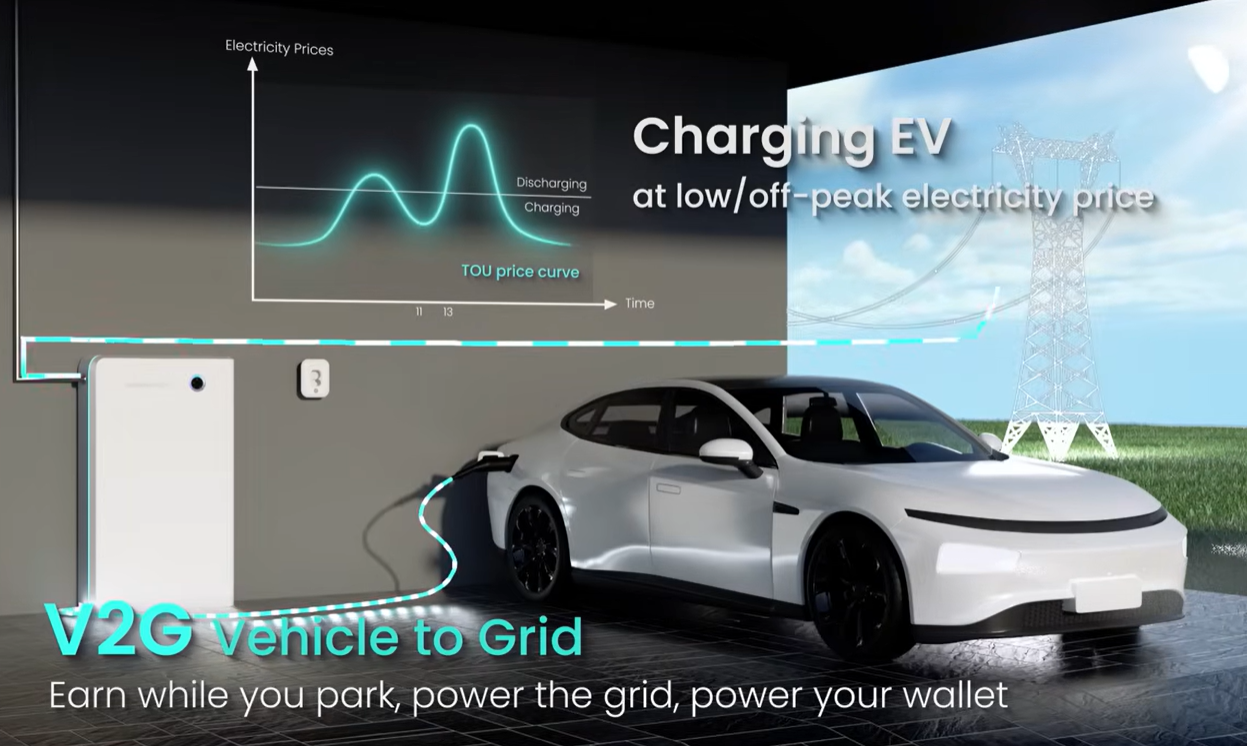
V2G - Vehicle to Grid
Bi-directional charging allows you to fill up your battery during the night at those cheaper tariffs, often 7p/kWh (Octopus Intelligent Go), then sell that back to the grid later that day for 15p/kWh (Octopus Outgoing).
A simple daily charge/discharge arbitrage strategy could earn a customer over £2000/year assuming they allowed 80% of a 100kWh EV battery to be used.
These chargers also allow the EV battery to share energy with the grid for peak shaving and load balancing.
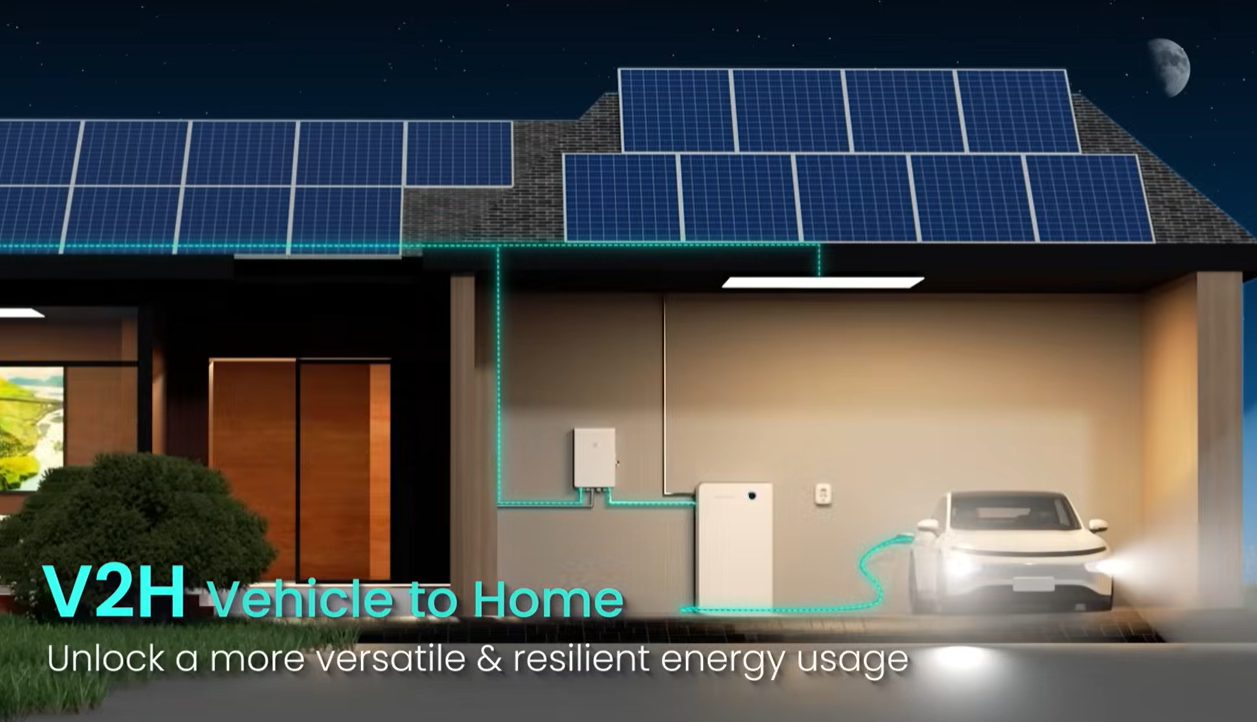
V2H - Vehicle to Home
On average in the UK, a privately owned car spends around 80–90% of its time parked at or near the owner’s home.
For these homeowners, this DC charger should not only be considered as an EV charger but essential as a battery extension. Allowing the respectively large EV battery (vs an average home battery), to power the home especially in the event of a power outage.
Ease of installation
It is true that the upfront cost of the DC chargers are higher than AC chargers however, significant costs savings are made during the installation process.
When installed during a battery/inverter installation, the DC charger takes less than 30 minutes and requires no additional cable, surge protected distribution boards or O-PEN devices. This saves hundreds of pounds in labour and materials.
The cost is still on the higher end when compared to an AC EV charger, however, it is cheaper than installing a new 9kWh battery.
Unlike an AC charger it also allows you greater access to a battery for arbitrage usage meaning that this charger can actually make you money and have a ROI of less than 2 years.
For our current installation prices, please visit our EV product page.
Ease of installation